Bridging track finishes with break point conversions: comparing provider lines in horse racing and tennis for integrated wager stacks supported by new user incentives
Tina Lorenz · Aug 10, 2026
Bridging track finishes with break point conversions: comparing provider lines in horse racing and tennis for integrated wager stacks supported by new user incentives
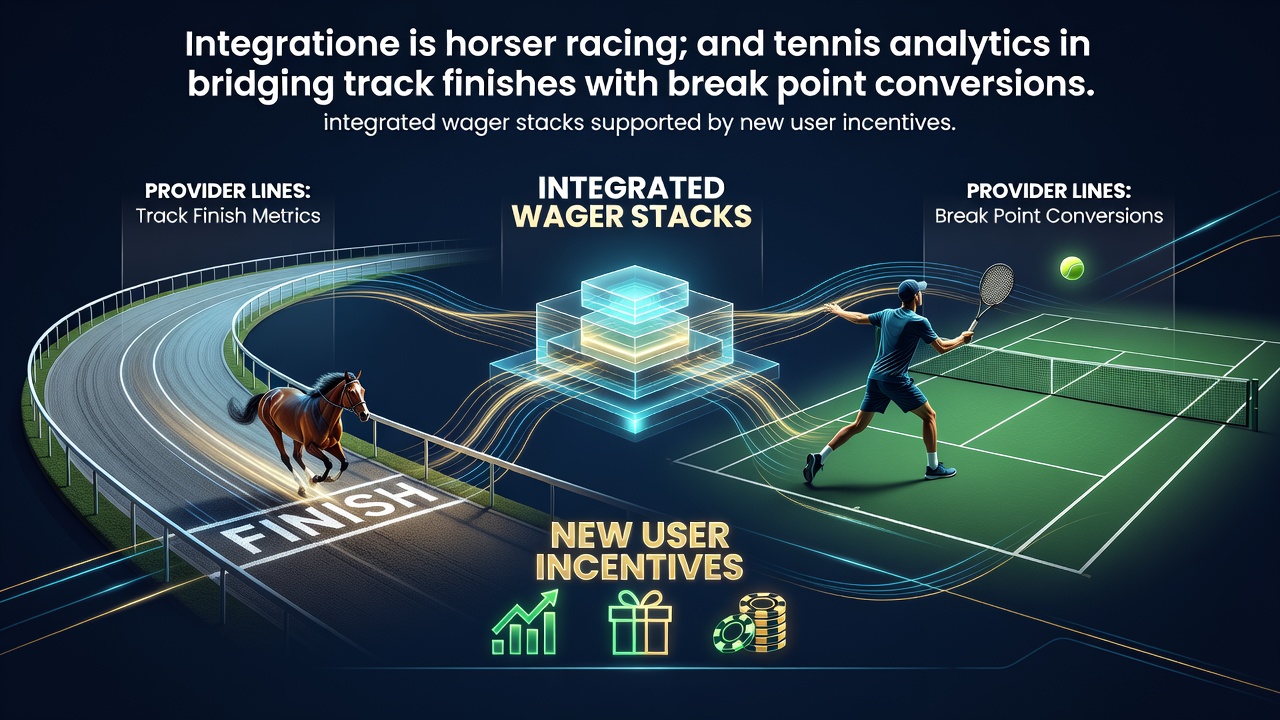
Betting platforms now allow users to combine horse racing track finishes with tennis break point conversions into single accumulator structures, and data from multiple providers reveals distinct pricing approaches that affect payout potential. Observers note that late August 2026 brings overlapping schedules including Saratoga meet races and the US Open tennis events, which creates opportunities for cross-sport wager construction supported by welcome offers across sites.
Provider differences in horse racing finish lines
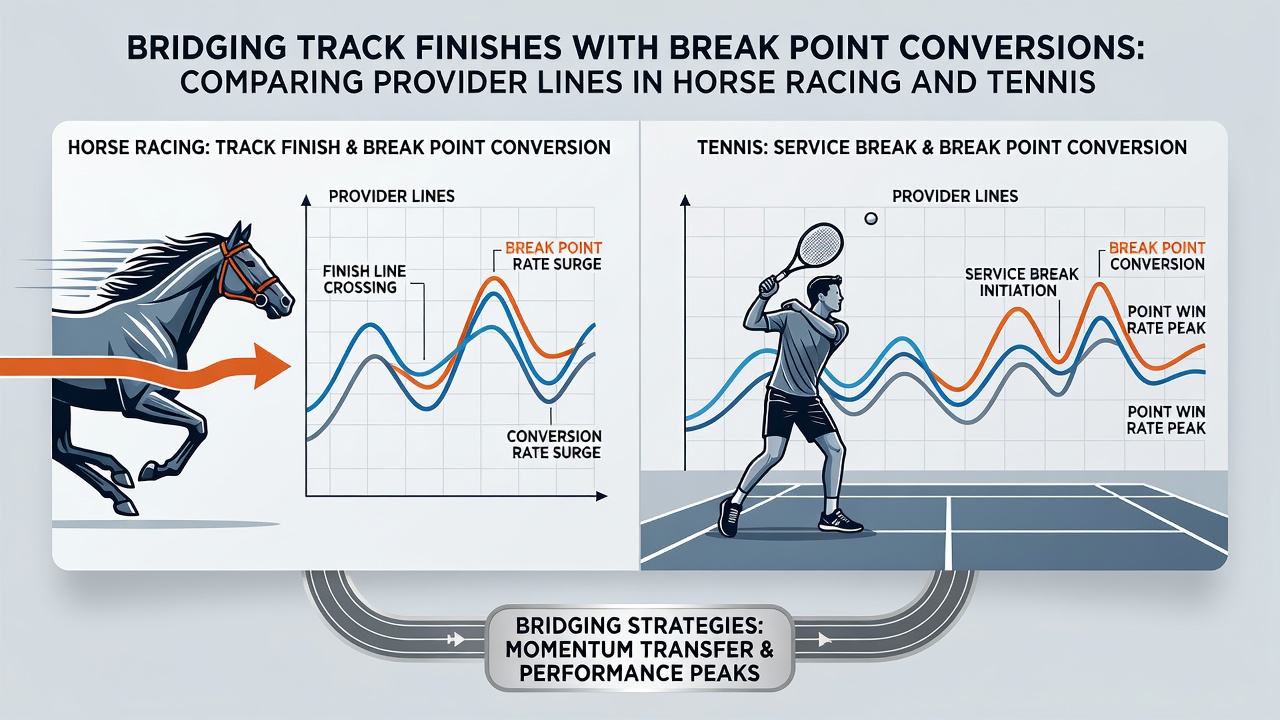
Horse racing markets focus on exact finish positions at the wire, with lines varying based on pace projections and historical track data. Providers adjust these odds through algorithms that incorporate jockey changes, weather impacts, and post positions, while some services offer tighter spreads on place payouts compared to others that widen margins on exotic finish combinations. Research from Racing Australia indicates that average win odds fluctuate between 3.5 and 8.0 in major meets, creating entry points for stacking with other sports when integrated into larger bets.
Tennis break point conversion pricing across operators
Tennis lines center on break point conversion rates during service games, where providers calculate probabilities from player statistics on return points won and surface-specific performance. One platform might list a player's break conversion at 42 percent for a given match while another adjusts to 38 percent after factoring in recent form, which alters the decimal odds available for inclusion in multi-leg stacks. Those who've studied match data find that tiebreak and set deciders produce additional layers where conversion edges appear, allowing bettors to align these with horse racing outcomes in the same wager.
Building integrated wager stacks across both sports
Integrated stacks combine a horse racing finish position with a tennis break point conversion into one accumulator, and providers differ in how they price the combined legs. Some operators apply sequential multipliers that preserve value when the tennis leg follows the racing leg, whereas others reset margins mid-stack to account for live updates. Data shows that users who select providers with consistent cross-sport pricing often see accumulators reach higher decimal returns when both legs hit, especially during periods like August 2026 when major events overlap. What's interesting is how certain sites allow partial cashouts before the final leg settles, which affects risk management when one sport concludes hours before the other.
Role of new user incentives in stack construction
New user incentives such as matched deposits or risk-free first bets reduce the initial outlay required to test integrated stacks, and providers structure these offers differently to attract users interested in multi-sport combinations. One service might release bonus funds after the first racing leg settles while another credits the tennis portion separately, which changes the effective stake available for subsequent legs. Figures from industry reports reveal that welcome offers frequently cover up to 100 percent of the opening deposit, allowing bettors to explore varied provider lines without additional capital until patterns emerge across platforms.
Comparing line accuracy and settlement speed
Settlement speed matters when one sport finishes before the other, and providers with faster horse racing result confirmation enable quicker assessment of the tennis leg still in progress. Line accuracy varies by data feed quality, with some operators incorporating real-time jockey or player updates that shift odds mid-event while others lock lines earlier. Those who compare multiple sites before placing integrated wagers often identify where the combined odds deliver the strongest value, particularly when new user incentives offset any initial variance in pricing.
Conclusion
Providers continue to refine their approaches to horse racing finish lines and tennis break point conversions, creating measurable differences in how integrated wager stacks perform under new user incentives. Bettors gain from examining these variations during overlapping events in August 2026, where data from sources like the Australian Sports Commission and the U.S. Tennis Association helps illustrate settlement patterns and pricing consistency across platforms. The structure of welcome offers further influences stack viability by extending effective bankrolls for testing combined legs.