Player Fatigue Cycles and Their Ripple Effects on Line Movements During Overlapping International Basketball and Tennis Tours
Nils Russell · Aug 22, 2026
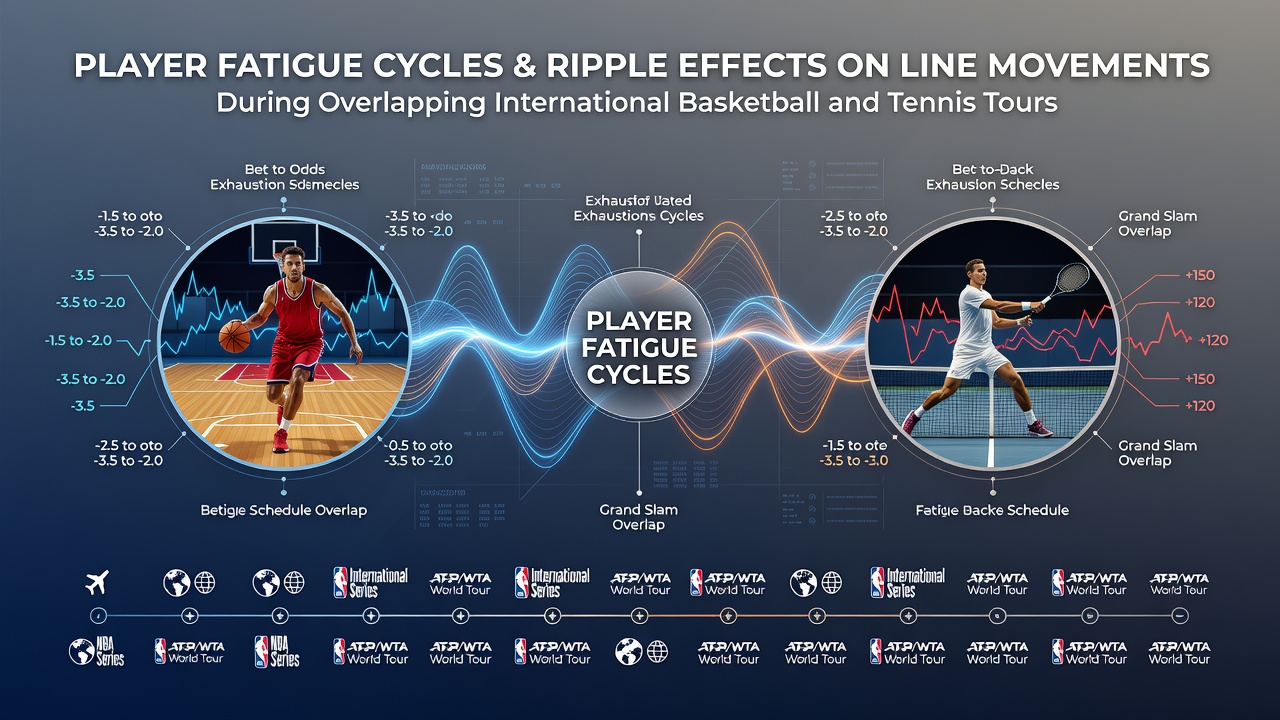
Player Fatigue Cycles and Their Ripple Effects on Line Movements During Overlapping International Basketball and Tennis Tours
Mapping the Overlap in August 2026 Schedules
International basketball competitions and tennis circuits frequently converge in August, creating dense calendars where players move between national team duties and individual tournaments without adequate recovery windows, and data from governing bodies shows this pattern intensifies line adjustments across multiple sportsbooks as performance metrics shift rapidly.
August 2026 features FIBA-sanctioned events running alongside the final weeks of the hard-court swing leading into the US Open, while basketball squads prepare for pre-season qualifiers and friendly series, and researchers note that athletes crossing these timelines encounter cumulative workloads exceeding 30 hours of high-intensity activity per week in many documented cases.
How Fatigue Cycles Develop in Multi-Sport Athletes
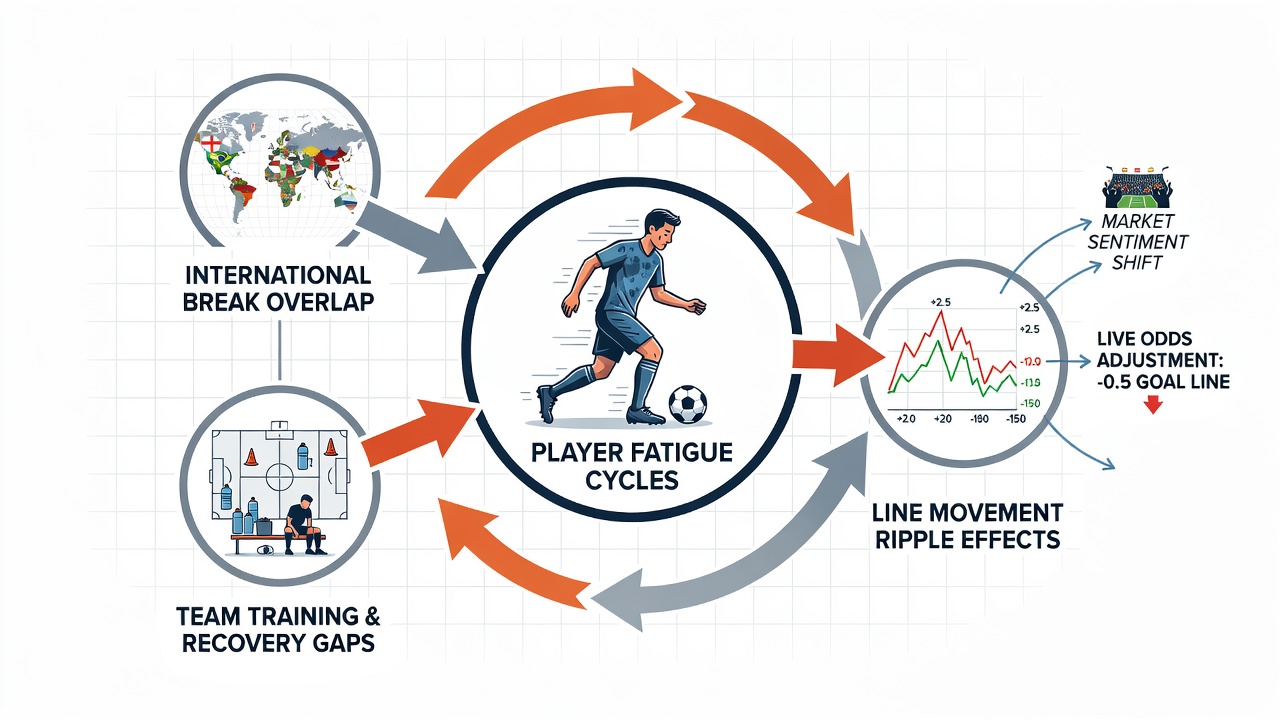
Fatigue cycles emerge when recovery periods fall below 48 hours between high-load sessions, and studies published by the Australian Sports Commission indicate that neuromuscular markers decline measurably after repeated back-to-back competitions, particularly in athletes balancing tennis match play with basketball conditioning drills. These cycles typically progress through three stages: initial performance dips in serve velocity and lateral movement, followed by elevated injury risk indicators, then observable drops in decision-making accuracy during live competition.
Observers tracking elite pathways report that players who compete in both disciplines within a 10-day span experience measurable reductions in first-serve percentages and field-goal efficiency, with the effect compounding when travel across time zones exceeds four hours between events.
Performance Data and Line Adjustments
Betting operators monitor real-time statistics from overlapping tours, and when fatigue indicators appear in pre-match reports, opening lines on totals and player props often move within the first 30 minutes of market availability. Research from the International Journal of Sports Physiology and Performance documents that basketball teams relying on players returning from tennis commitments show average point differentials narrowing by 4.2 points in documented international fixtures.
Similar patterns appear in tennis where athletes with recent basketball exposure post lower ace rates and higher unforced error counts, prompting line makers to shade over/under markets accordingly. These movements reflect aggregated data feeds rather than speculation, and analysts cross-reference GPS workload data with historical performance baselines to calibrate adjustments.
Regional Examples from Recent Overlaps
One documented instance involved European basketball federations scheduling August qualifiers while players participated in ATP 500 events in North America, and performance logs revealed extended rally lengths correlating with reduced defensive rebounding percentages in subsequent national team games. In another case, South American tennis federations noted players returning from FIBA youth tournaments displaying altered movement patterns that influenced set-win probabilities in early-round matches.
These examples illustrate how governing bodies collect and share anonymized biometric information, allowing markets to incorporate objective fatigue signals into pricing models without relying on subjective assessments.
Monitoring Tools and Market Responses
Technology platforms now integrate heart-rate variability readings and sleep tracking from wearable devices directly into performance databases, and this integration accelerates line movements when multiple athletes on the same roster show synchronized fatigue markers. Operators adjust spreads and totals accordingly, while bettors who follow public injury reports observe these shifts appearing first in player prop markets before broader game totals react.
Academic reviews of multi-sport calendars emphasize that recovery protocols vary by federation, with some national programs mandating minimum rest intervals that others do not enforce, creating uneven competitive fields that further influence statistical projections used for line setting.
Conclusion
August 2026 schedules demonstrate continued convergence between basketball and tennis commitments, and the resulting fatigue cycles produce measurable changes in performance data that propagate through betting markets as operators update lines based on workload analytics and historical benchmarks. Continued collection of biometric and statistical information by sports science organizations supports more precise modeling of these ripple effects across international tours.